 15 June 2026
 Share
Share
1
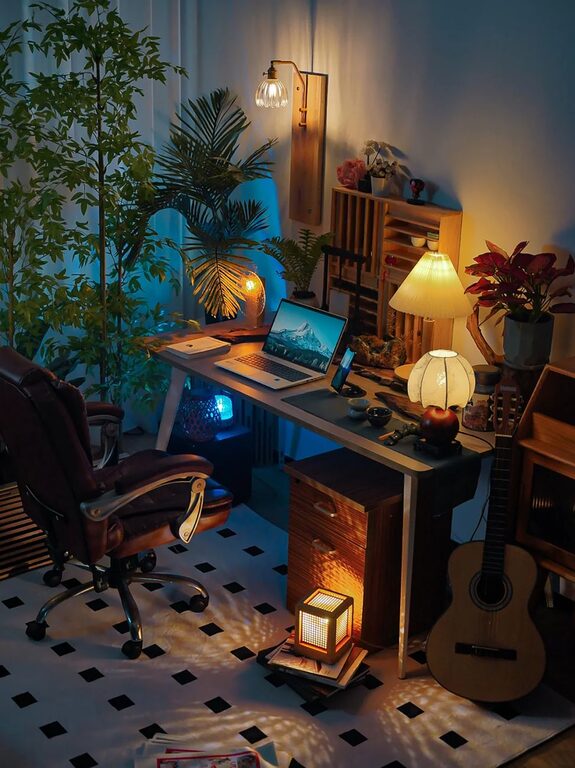

Creating a relaxing home workspace is essential for maintaining productivity, especially when work and home life blend together. A calm and organized environment helps you stay focused, reduces stress, and makes your workday more enjoyable. Whether you’re working remotely full-time or need a quiet corner for occasional tasks, these tips will guide you in crafting a home workspace that supports your best work.
Your environment impacts your mood and efficiency. A cluttered, noisy, or poorly arranged space can distract you and drain your energy. In contrast, a thoughtfully designed workspace promotes calmness, allowing your mind to focus on tasks without unnecessary interruptions. Creating a relaxing setup means balancing functionality with comfort and personal style.
Look for a space in your home away from heavy foot traffic and distractions such as televisions or high-traffic rooms. If possible, dedicate a room exclusively for work. If that’s not feasible, a corner of your living room or bedroom can work as long as it stays organized and separate from leisure areas.
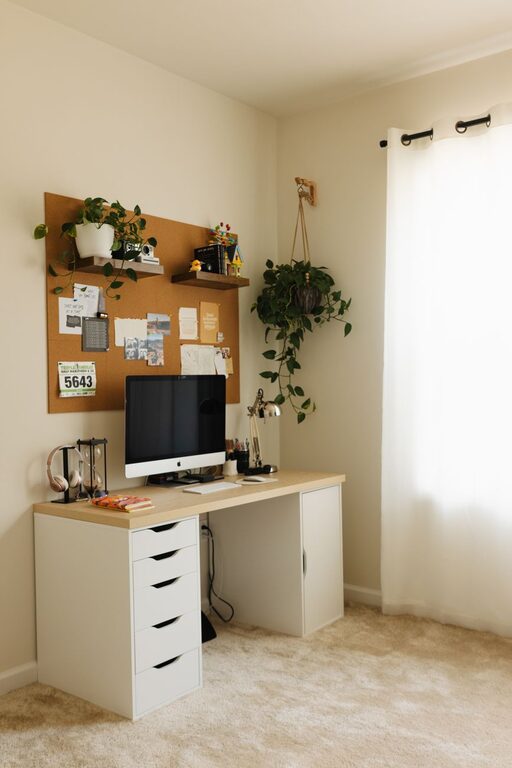
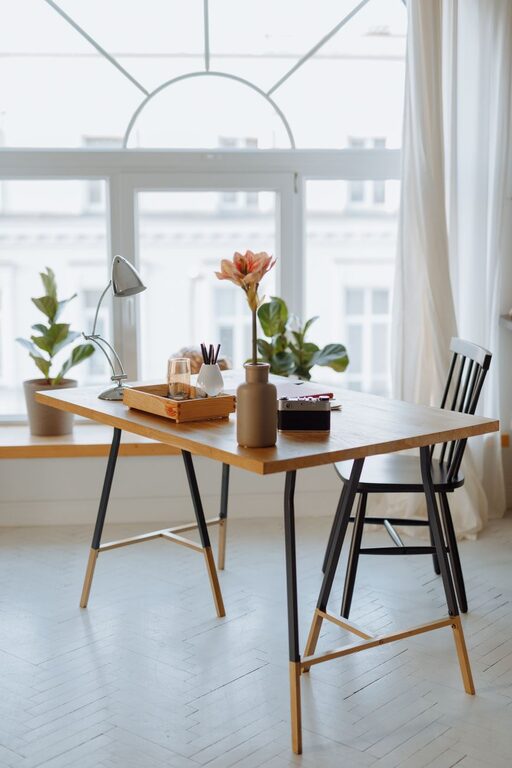
Natural light boosts mood and energy levels. Position your desk near a window to make the most of daylight. Avoid glare on screens by placing the monitor perpendicular to windows. If natural light is limited in your space, invest in quality lighting that mimics daylight to reduce eye strain.
A clutter-free desk helps keep your mind clear and focused.
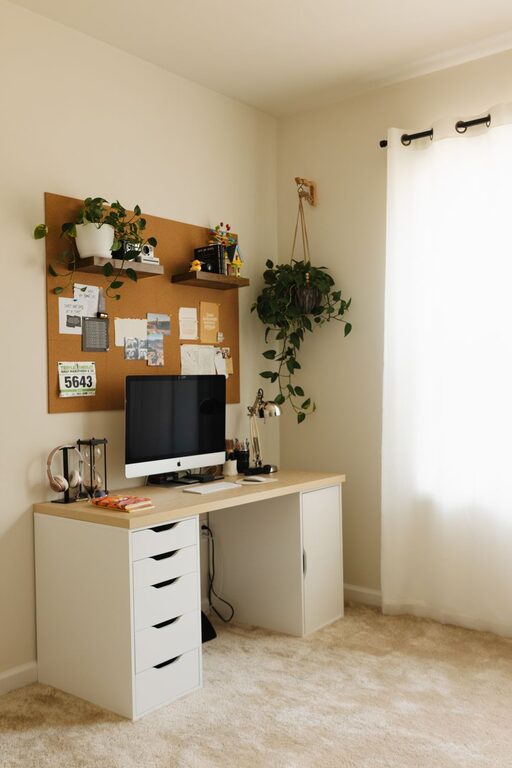
– Use storage solutions: Drawers, shelves, and desk organizers keep supplies and documents neat.
– Limit personal items: Keep only a few meaningful objects like a photo or plant to avoid distraction.
– Regular tidying: Set a brief time each day to clear your workspace and maintain order.
Sitting comfortably prevents fatigue and health issues.
– Ergonomic chair: Supports your back and encourages good posture.
– Adjustable desk: Allows alternation between sitting and standing to reduce stiffness.
– Proper desk height: Helps avoid strain on wrists and shoulders.
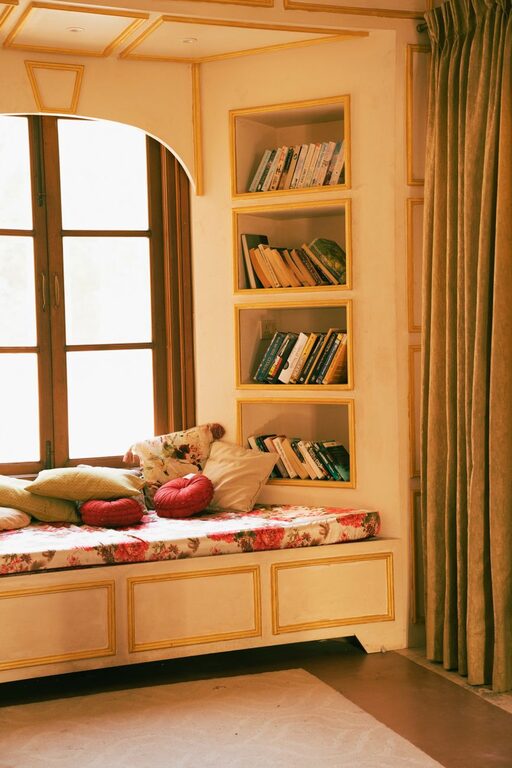
Include items like a cushion, cozy throw, or area rug to soften the look and feel of your workspace, making it inviting and comfortable.
Colors affect moods. Soft blues, greens, or neutrals promote relaxation. Avoid overly bright and distracting colors in your main work area.
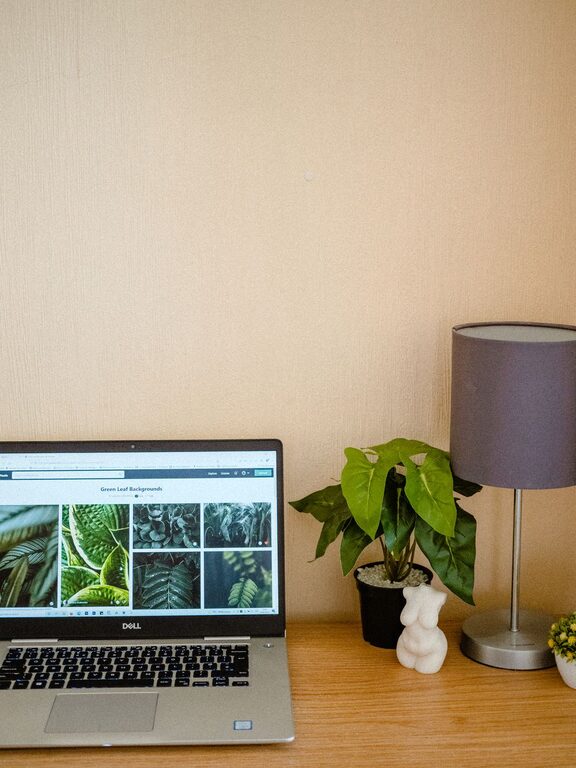
Plants improve air quality and add a refreshing touch. Low-maintenance plants like succulents or pothos are great for busy workers.
A subtle diffuser with calming scents like lavender or eucalyptus can reduce stress and improve concentration.
Establish regular working hours to mentally separate work from personal time.
Use noise-canceling headphones or play soft background music to block distractions.
Turn off non-essential phone and computer alerts during work periods to maintain focus.
Add flair that inspires you without overwhelming the workspace.
– Artwork or quotes: Display calming or motivational images.
– Desk accessories: Choose simple, elegant items to keep tools handy and attractive.
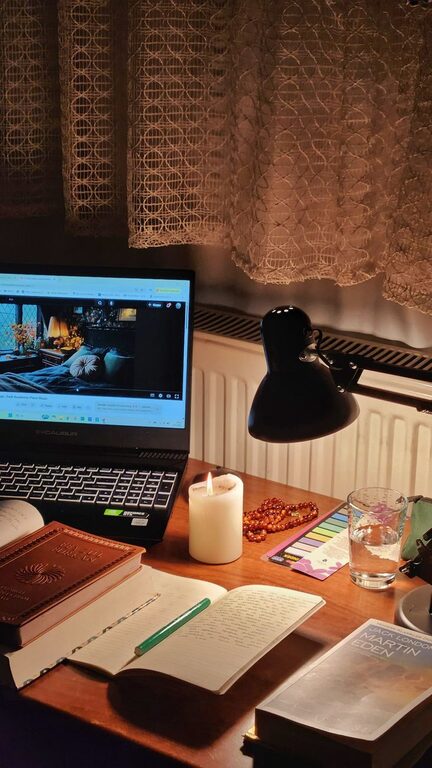
– Lighting accents: Soft lamps or string lights can create a warm atmosphere.
Cable clutter can add to the feeling of chaos.
– Manage cords: Use clips, sleeves, or under-desk trays to organize cables.
– Regular tech cleanup: Delete unused files, close unnecessary browser tabs, and keep software updated for smooth performance.
Even the best workspace can’t substitute for regular breaks.
– Step away briefly to stretch or walk to refresh your mind and body.
– Use a timer or app to remind you to take breaks and avoid burnout.
Creating a relaxing home workspace takes attention to detail and a focus on your personal needs. By choosing the right location, organizing effectively, prioritizing comfort, and including elements that calm the mind, you set yourself up for productive and enjoyable workdays. Remember, a peaceful workspace not only helps you work better but also supports your overall well-being. Start implementing these tips today and notice the difference it makes in your workflow.