 15 June 2026
 Share
Share
1
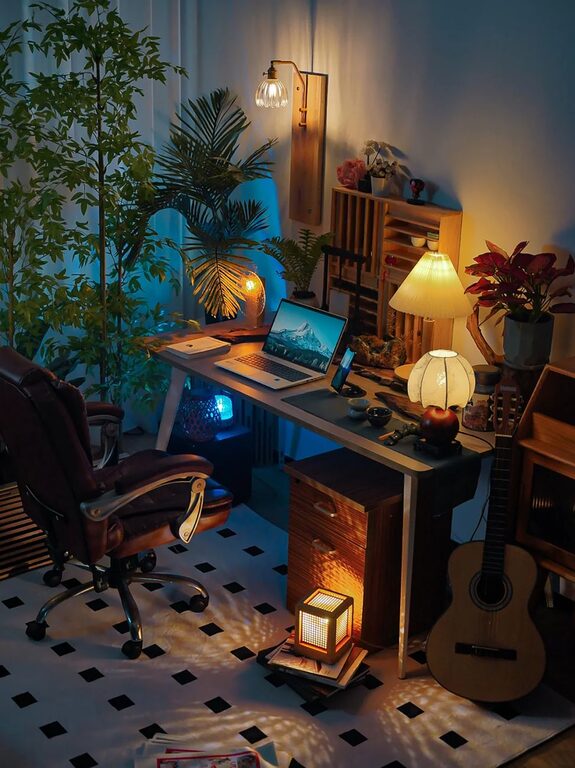
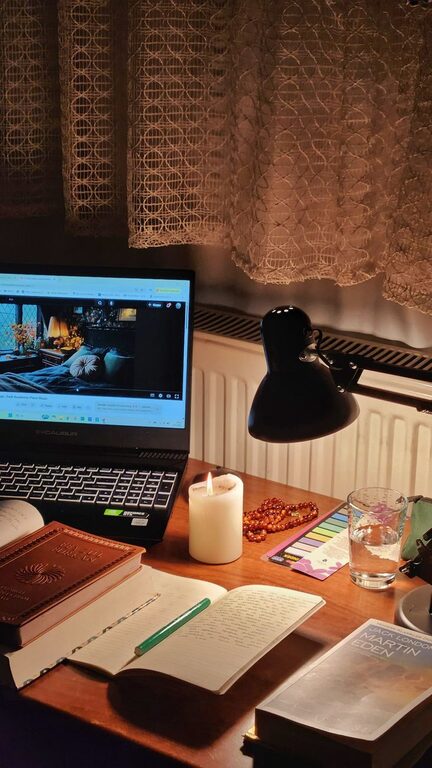
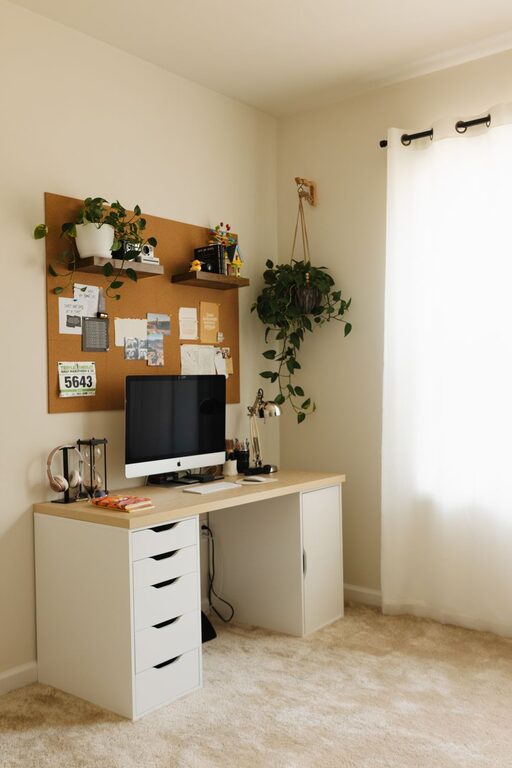
Creating a relaxing home office environment is essential for maintaining focus, reducing stress, and boosting productivity, especially when working remotely. Your workspace can significantly impact how you feel and perform during the day. Fortunately, with a few thoughtful adjustments and strategies, you can transform any room or corner into a calm and inviting office space. This guide will walk you through practical tips to help you create a relaxing home office that supports your best work.
The first step in setting up a relaxing home office is selecting the ideal spot. Here are some considerations:
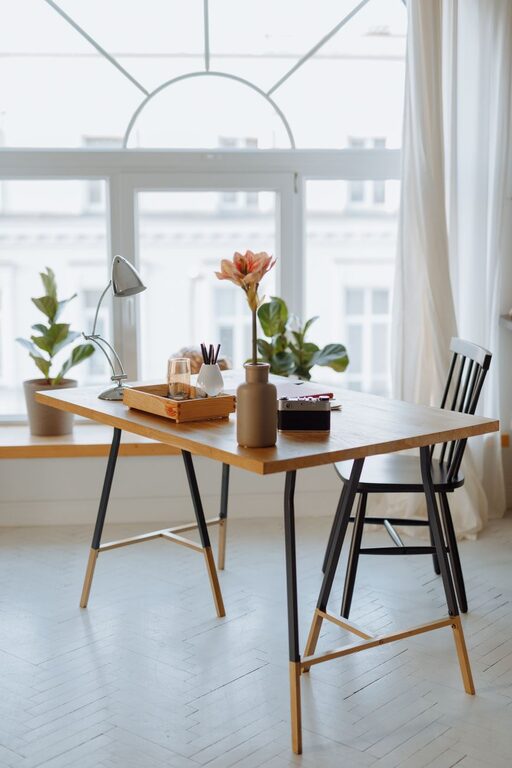
– Natural Light: Position your desk near a window to benefit from natural daylight. Sunlight helps regulate your body’s internal clock and can improve mood and focus.
– Quiet Area: Find a space that is relatively quiet and free from distractions like television or household traffic.
– Comfortable Space: Make sure you have enough room to spread out your work materials without feeling cramped.
If space is limited, consider decluttering to carve out a dedicated zone for work, even if it’s just a small nook.
Comfort plays a vital role in reducing physical strain and maintaining energy levels throughout the day.
– Chair: Use an ergonomic chair that supports your back and encourages good posture. Adjustable height and lumbar support are important features.
– Desk: Choose a desk that allows you to comfortably reach your computer and materials without straining arms or shoulders.
– Standing Options: Consider a desk converter or a sit-stand desk to alternate between sitting and standing, which can reduce fatigue.
Proper ergonomics prevent discomfort and contribute to a relaxed mind and body.
A cluttered workspace can cause anxiety and make it difficult to focus. Follow these organization tips:
– Declutter Regularly: Remove unnecessary papers, gadgets, or items that don’t serve a purpose in your office.
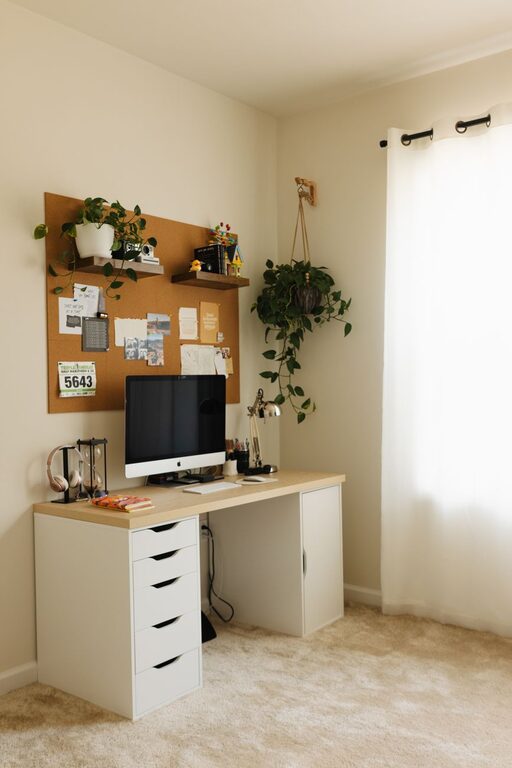
– Storage Solutions: Use shelves, drawers, and organizers to keep supplies sorted and out of the way.
– Cable Management: Use cable clips or sleeves to tidy up wires for a cleaner appearance.
An organized space promotes a sense of calm and helps maintain clear thinking.
The colors and decorations in your home office can affect your mood and productivity.
– Calming Colors: Shades like soft blues, greens, and neutrals are known for their relaxing effects.
– Personal Touches: Add photos, artwork, or inspirational quotes that motivate and comfort you.
– Minimalism: Avoid overcrowding your space with too many decorations; simplicity often brings tranquility.
Balance personalization with simplicity to keep the atmosphere peaceful.
Houseplants offer many benefits beyond decoration.
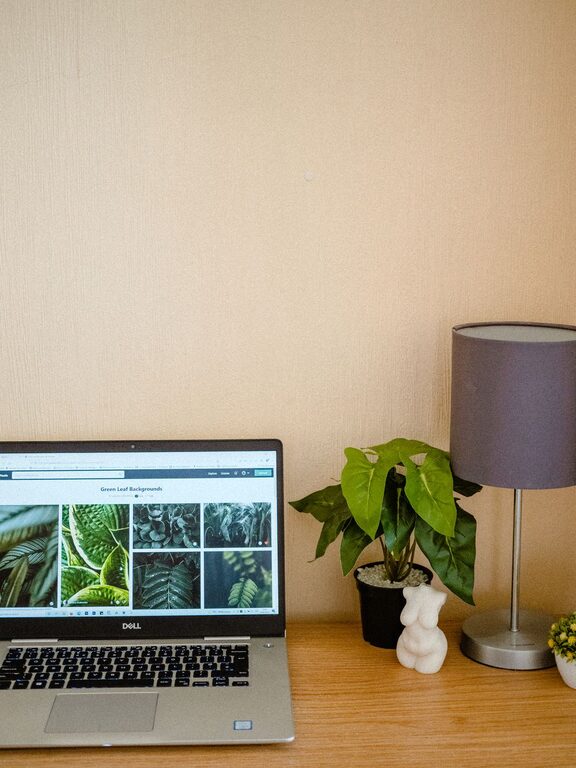
– Air Quality: Plants help purify the air and increase oxygen levels.
– Stress Reduction: Greenery has been shown to reduce stress and promote relaxation.
– Visual Appeal: Plants bring a natural element that softens the environment.
Easy-care plants like succulents, snake plants, or pothos are perfect for busy home offices.
Proper lighting is crucial to avoid eye strain and create a pleasant workspace.
– Natural Light Maximization: Use sheer curtains to allow sunlight without glare.
– Task Lighting: Add a desk lamp with adjustable brightness to focus light where you need it.
– Avoid Harsh Overhead Lights: Use softer bulbs or indirect lighting to reduce harsh shadows.
Adjust lighting to match your work tasks and time of day.
Background noise can be distracting or stressful. Here’s how to manage it:
– Noise-Canceling Headphones: Useful if you have a noisy environment.
– Soft Music or White Noise: Many find that light instrumental music or ambient sounds can improve concentration.
– Soundproofing: Adding rugs, curtains, or acoustic panels can absorb unwanted noise.
Finding the right sounds for your work style makes a big difference.
Small touches can make your office cozy and inviting.
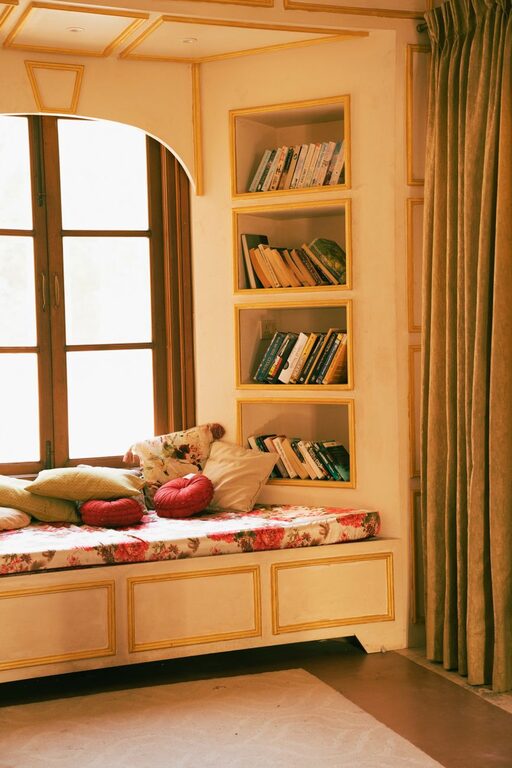
– Soft Rug or Cushion: These add warmth and comfort underfoot or on your chair.
– Temperature Control: Use a fan or space heater as needed to keep your work area comfortable.
– Personal Comfort Items: A water bottle, hand cream, or small diffuser with essential oils can enhance your well-being.
Comfort boosts your ability to stay relaxed and focused for long periods.
Lastly, creating a relaxing environment goes beyond decor and furniture. It also includes habits.
– Set Work Hours: Define clear start and end times to separate work from personal life.
– Take Breaks: Step away from your desk regularly to stretch, hydrate, or walk.
– Keep Work in Your Workspace: This helps your brain associate the area with focus and calm.
Maintaining structure and boundaries improves mental peace and work satisfaction.
—
By applying these tips, you can enjoy a home office that not only looks appealing but also supports your productivity and well-being. A relaxing workspace is a valuable investment in your daily comfort and professional success. Take the time to create a space where you look forward to working each day!