 15 June 2026
 Share
Share
1
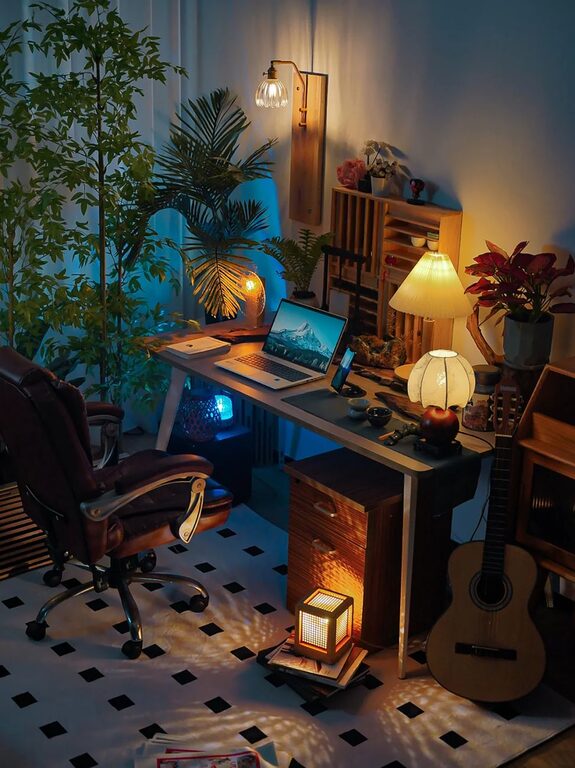
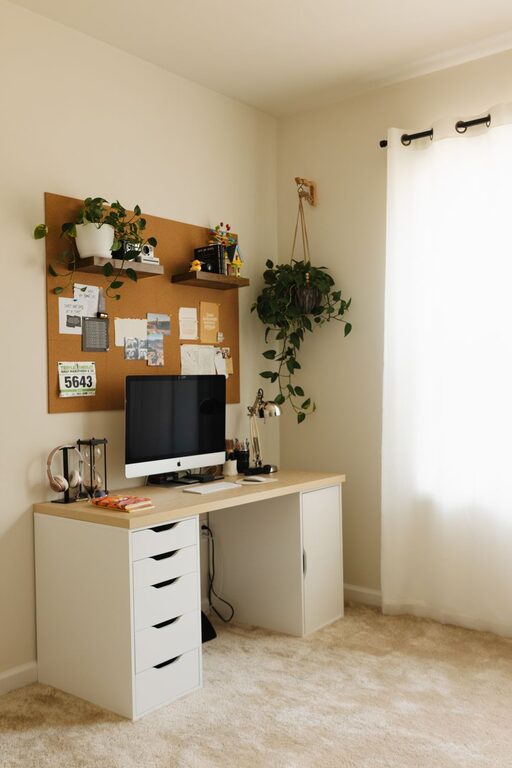
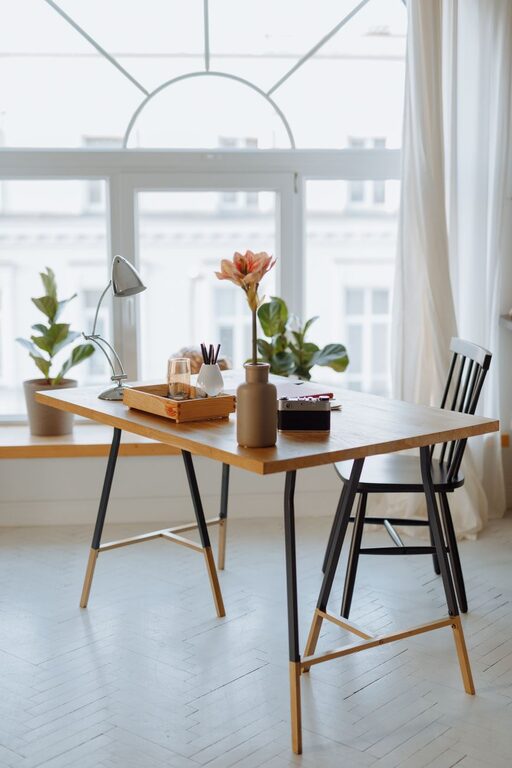
Creating a productive home office space is essential for anyone working remotely or managing tasks from home. A well-organized and thoughtfully designed space helps you focus, stay motivated, and separate work from personal life. Whether you have a dedicated room or a small corner, these tips will help you build an efficient and comfortable workspace tailored to your needs.
Selecting the right spot for your home office is the first step to productivity. Ideally, pick a quiet area with minimal distractions. If possible, avoid high-traffic zones like the kitchen or living room where family members frequently pass through.
– Natural light: Position your desk near a window to benefit from natural light, which can improve mood and alertness.
– Privacy: Ensure you can close a door or use room dividers if privacy is needed.
– Space: Make sure there is enough room for your desk, chair, and any storage or equipment.
Comfort plays a crucial role in how productive you feel throughout the day. Investing in ergonomic furniture can reduce strain, prevent discomfort, and keep your energy levels high.
– Ergonomic chair: Choose a chair with adjustable height, lumbar support, and comfortable padding.
– Desk height: Your desk should be at a height where your forearms are parallel to the floor while typing.
– Keyboard and mouse placement: Keep these within easy reach to avoid unnecessary stretching or strain.
A clutter-free environment helps clear your mind and improve focus. Here are some organization tips:
– Declutter regularly: Remove unnecessary items and keep only work-related materials on your desk.
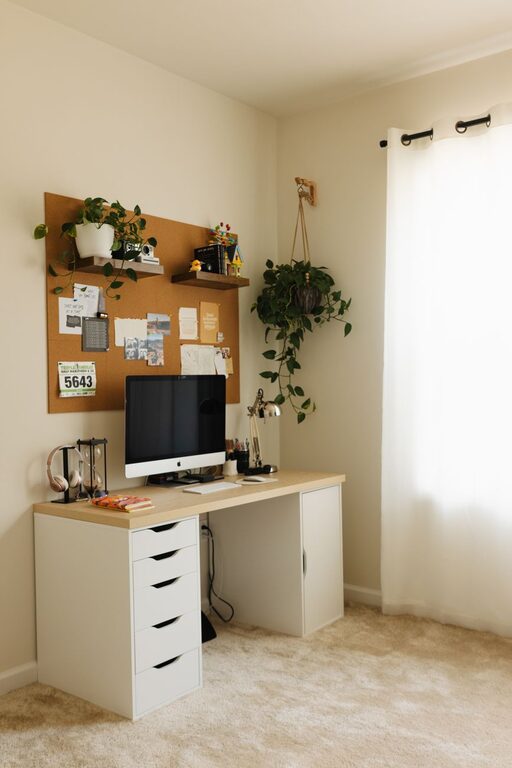
– Use storage solutions: Drawers, shelves, filing cabinets, and organizers can help keep documents and supplies neatly arranged.
– Cable management: Use clips, sleeves, or ties to keep cords tidy and prevent tangling.
Proper lighting helps reduce eye strain and fatigue, enabling you to concentrate better.
– Combine lighting sources: Use a mix of natural light, overhead lighting, and task lighting such as desk lamps.
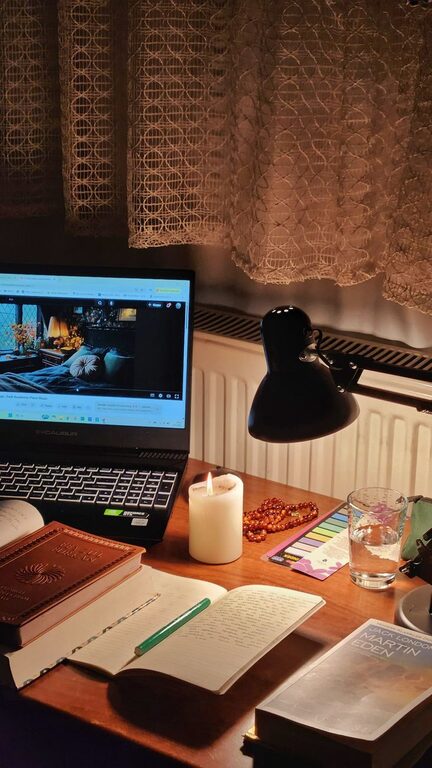
– Adjust brightness: Consider adjustable lamps to control the intensity based on the time of day.
– Avoid glare: Position screens and lights to minimize reflections and glare.
A workspace that feels inviting can increase motivation and job satisfaction. Add personal touches without making it cluttered.
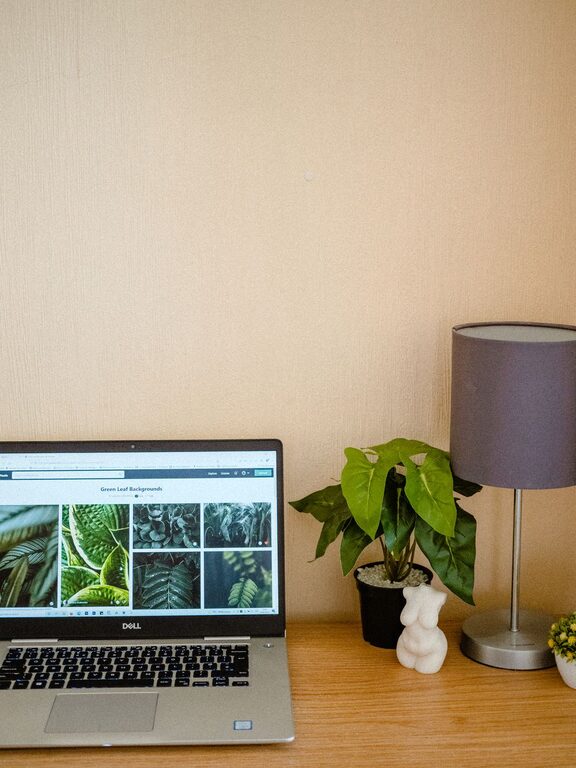
– Decor: Choose artwork, plants, or meaningful objects that inspire you.
– Color scheme: Use calming colors like blues or greens, or energizing colors like yellows depending on your preferences.
– Scent: A subtle fragrance or essential oil diffuser can create a pleasant atmosphere.
Technology is essential for most home offices, but an efficient setup can make a significant difference.
– Reliable internet: Ensure your connection is fast and stable for video calls and file sharing.
– Monitor placement: Set monitors at eye level to prevent neck strain.
– Backup options: Use external drives or cloud storage to keep important files safe.
Creating a productive space is not just physical—your habits matter too.
– Dedicated work hours: Set regular start and end times to maintain work-life balance.
– Break schedule: Take short breaks to stretch and refresh your mind.
– Communication: Inform family or housemates about your work hours to minimize interruptions.
Having needed supplies within reach prevents disruptions and helps maintain your workflow.
– Essential tools: Pens, notebooks, chargers, and other frequently used items should be easy to access.
– Stock up: Keep spare supplies so you don’t have to pause work to find replacements.
Good air quality and a comfortable temperature contribute to better focus and health.
– Ventilation: Open windows or use air purifiers to maintain fresh air.
– Temperature control: Use fans, heaters, or humidifiers as needed to stay comfortable.
– Plants: Adding greenery can improve air quality and enhance mood.
—
Designing a productive home office takes time, but the payoff is worth it. By combining thoughtful layout, ergonomic furniture, good lighting, and organized systems, you can create a workspace that supports your best work every day. Start small, make incremental changes, and personalize your office to suit your style and needs. A well-planned home office is a valuable investment in your productivity and well-being.