 15 June 2026
 Share
Share
1

Creating a cozy and productive home office can make a big difference in your daily work experience. Whether you are working from home full-time or just need a dedicated space to focus, the right setup can enhance concentration, reduce stress, and improve your overall mood. In this post, we’ll explore practical tips and ideas for designing a home office that combines comfort and efficiency.
A well-designed home office supports both your mental and physical well-being. When your workspace feels inviting and is tailored to your needs, you’re more likely to stay motivated and accomplish tasks efficiently. On the other hand, a cluttered or uncomfortable environment can lead to distractions, fatigue, and decreased quality of work.
Finding the perfect spot for your home office is the first step.
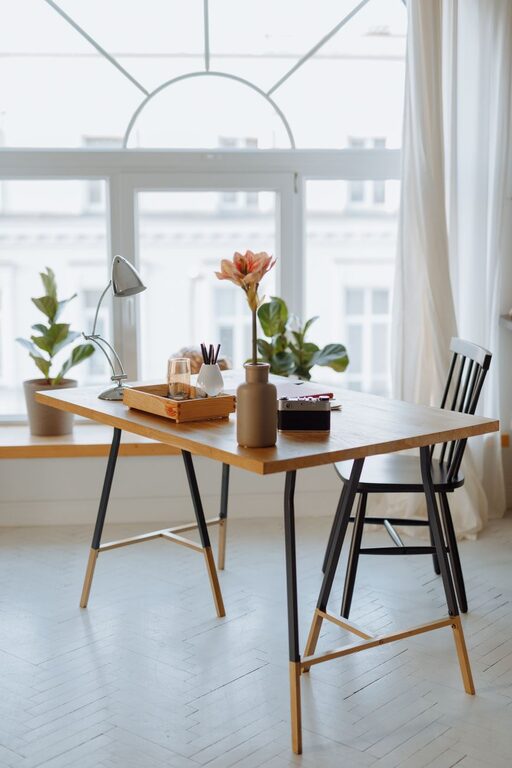
Whenever possible, select a location with ample natural light. Sunlight can improve your mood, reduce eye strain, and help regulate your sleep patterns. Position your desk near a window, but be mindful of glare on screens.
Choose a quiet area away from high-traffic zones, such as the living room or kitchen. This helps create a separation between work and home life, enhancing focus during work hours.
Consider how much space you need for your desk, chair, storage, and any other equipment. A good layout promotes easy movement and access to tools without cluttering the area.
Comfort is key to staying productive over long periods.
Select a desk at a comfortable height, and invest in an ergonomic chair with adjustable features like lumbar support and armrests. This helps maintain good posture and reduces the risk of aches and pains.
Position your computer monitor at eye level about 20-30 inches away to minimize neck strain. Use an external keyboard and mouse if working on a laptop to allow better hand positioning.
An organized workspace reduces stress and saves time.
Remove unnecessary items from your desk to keep your space neat. A clutter-free area encourages clearer thinking.
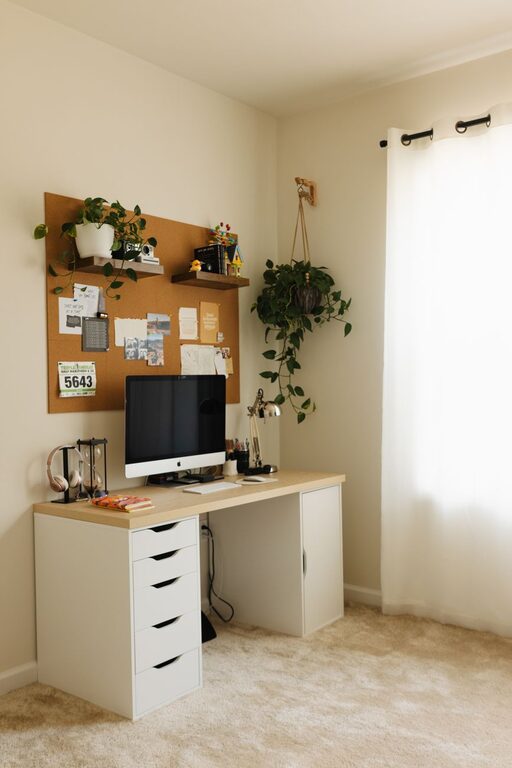
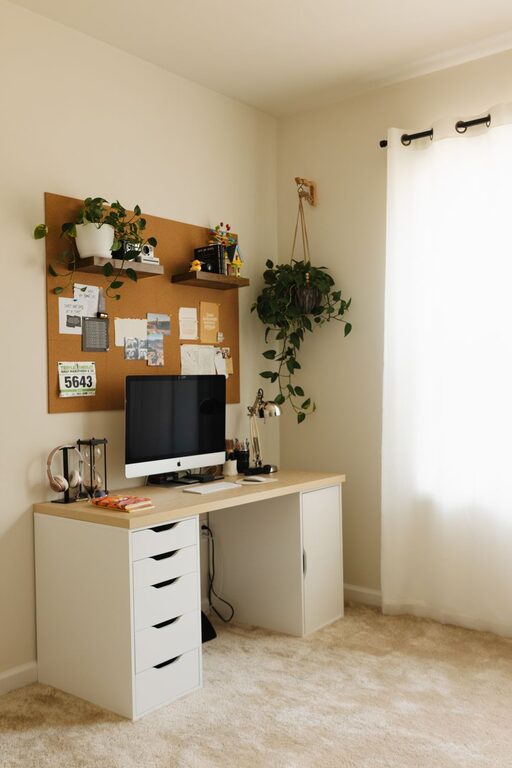
Use shelves, drawers, and organizers to keep papers, office supplies, and electronics orderly. Vertical storage can maximize space in smaller rooms.
Tidy up cords using clips, sleeves, or cable boxes to avoid tangles and keep your desk looking clean.
Making your workspace inviting can lift your spirits and inspire creativity.
Soft, neutral tones or pastels create a calm environment. You can add pops of color with accessories like cushions, artwork, or plants.
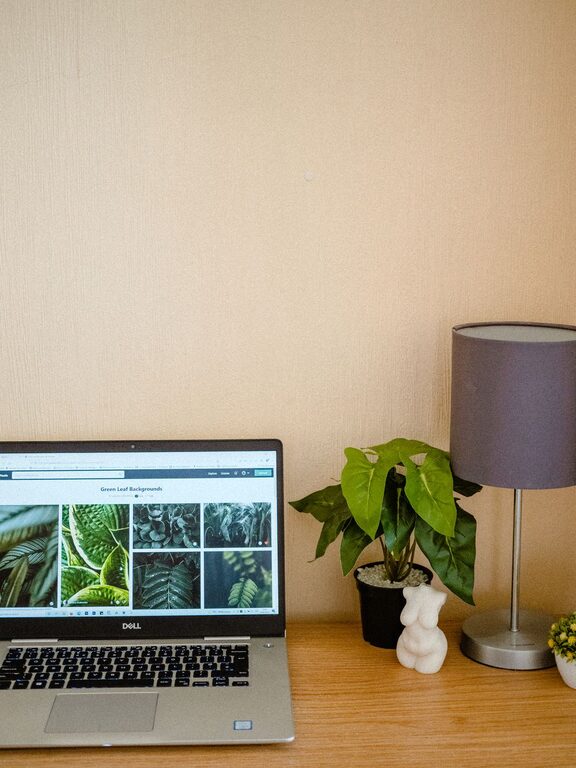
Indoor plants not only bring life to a room but can also improve air quality and reduce stress.
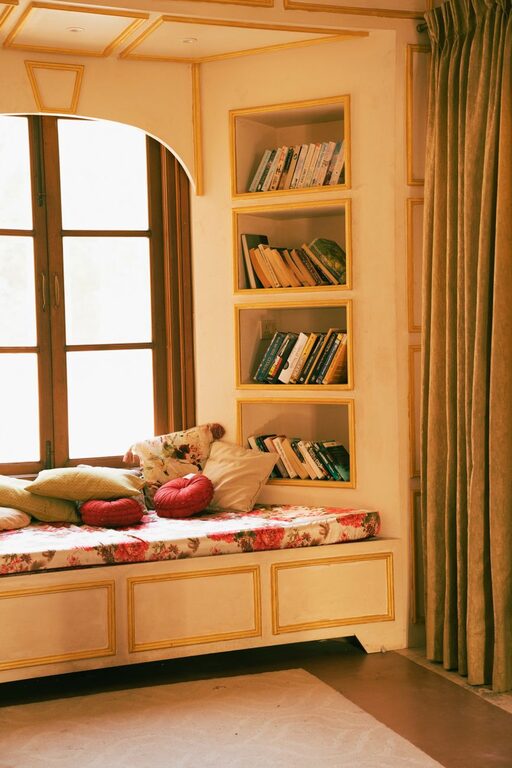
Consider a cozy rug, cushioned chair pad, or throw blanket to add warmth and softness to your office.
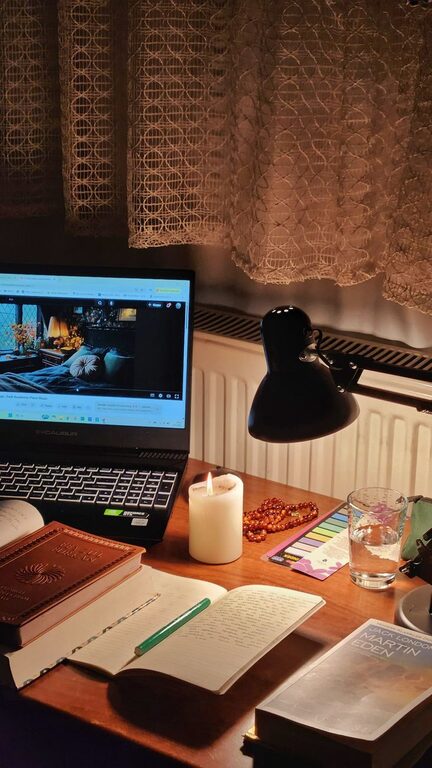
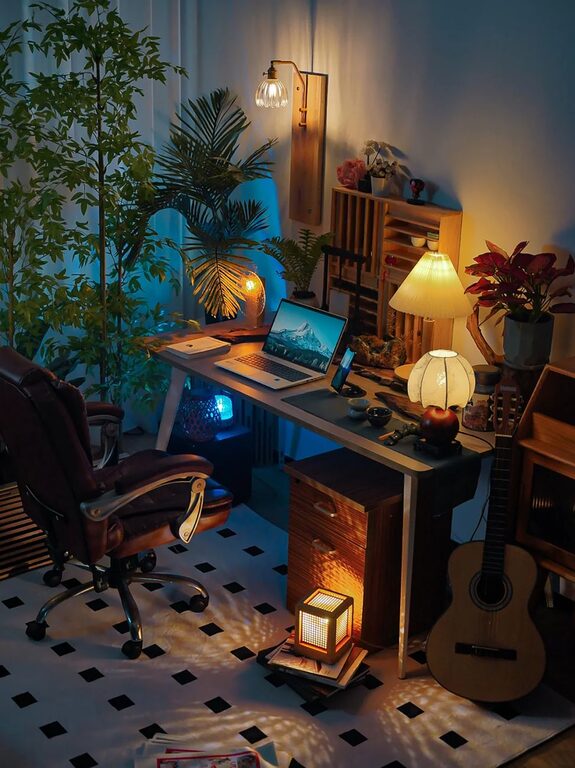
In addition to natural light, use layered lighting such as desk lamps and floor lamps with warm bulbs to create a comfortable ambiance.
Maintaining a work-life balance is easier with clear boundaries.
Set specific times to start and stop work to avoid burnout.
If your office is in a multi-use area, use screens, curtains, or furniture arrangements to delineate your workspace.
Don’t forget to step away from your desk periodically to stretch and rest your eyes.
Equip your home office with technology that supports your workflow.
A strong and stable internet connection is essential for video calls and cloud work.
Noise-cancelling headphones can help block out distractions.
Use productivity apps and tools such as calendars, to-do lists, and communication platforms to stay organized.
Designing a cozy and productive home office is a blend of comfort, organization, and functionality. By thoughtfully choosing your location, investing in ergonomic furniture, organizing efficiently, adding personal touches, and setting healthy boundaries, you can create a space that supports your best work every day. Remember, your home office should reflect your unique needs and style, so customize it in ways that feel right for you. Happy decorating!